- Have any questions?
- 9650237918, 011-45872129
- info@designgurukul.in, designgurukul1@gmail.com



Improving Indoor Air Quality with Vastu Principles and Cross-Ventilation
Indoor air quality is a critical factor influencing human health, productivity, and overall well-being. Poor ventilation and stagnant air can lead to discomfort, respiratory issues, and the accumulation of negative energy. Both Vastu Shastra and modern architectural practices emphasize the importance of fresh air circulation. By combining Vastu principles with cross-ventilation techniques, you can create a healthier, more sustainable, and harmonious living environment.
Natural Ventilation: A Core Principle of Vastu
Daily Fresh Air Intake: Open windows for at least 15–20 minutes each day. This simple practice can significantly reduce indoor pollutants and refresh the environment.
Cross-Ventilation: Position windows on opposite sides of a room to allow natural airflow, ensuring fresh air enters while stale air exits.
Unobstructed Flow: Keep air pathways clear by avoiding blockages such as heavy furniture, curtains, or partitions near windows and doors.
Vastu-Friendly Indoor Plants
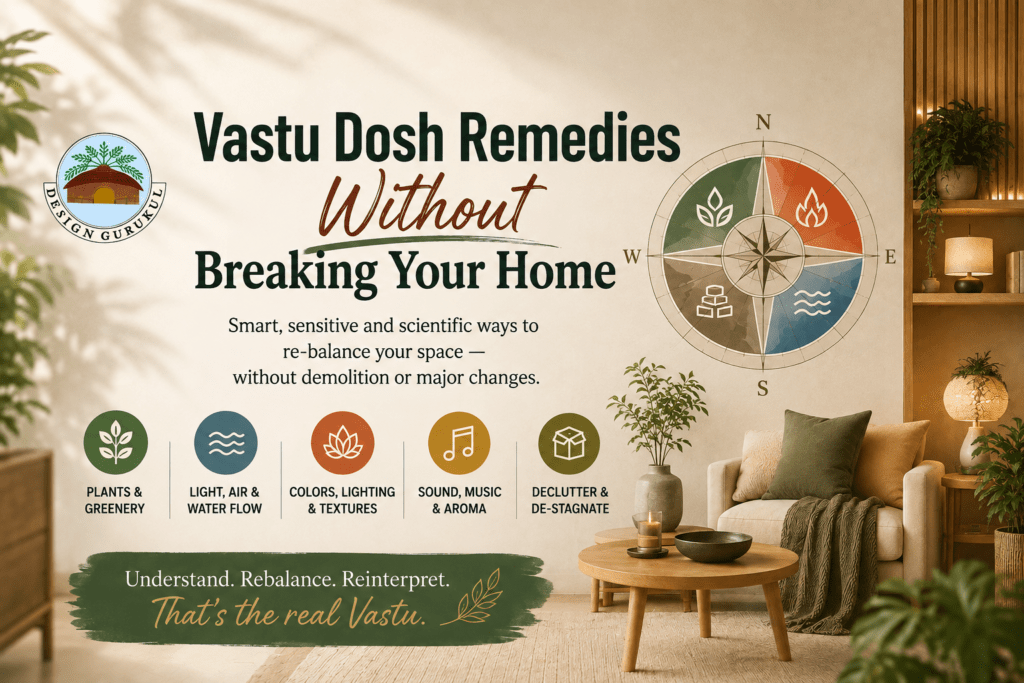
Plants act as natural air purifiers while also enhancing positivity in a space. Some recommended options include:
Areca Palm: Works as a humidifier and stress reliever. Best placed in the east or northeast.
Tulsi (Holy Basil): Purifies the atmosphere and promotes health. Traditionally placed in the north or east.
Snake Plant: Known to absorb toxins and support better sleep. Suitable for bedrooms or study areas.
Bamboo Plant: Releases oxygen and absorbs harmful elements. Ideal for the northwest or east.
Directional Considerations in Vastu
North and East: Considered auspicious directions that support health, vitality, and clarity. Keeping these areas clean and clutter-free enhances positive energy.
Window Orientation: Opening windows to the north and east allows fresh air and natural light to enter, uplifting the indoor environment.
Additional Practices for Cleaner Air
Declutter Regularly: A clean and organized space reduces dust and supports free energy flow.
Use of Natural Fragrances: Essential oils like lavender, sage, or orange can refresh and purify the indoor atmosphere.
Sound Therapy: Bells, mantras, or soothing sound frequencies help disperse stagnant energy.
Cross-Ventilation: Modern Enhancements
Cross-ventilation is an effective architectural approach to complement Vastu principles. It improves indoor air quality by optimizing the movement of air.
Techniques
Window Placement: Place windows on opposite sides of a room or building to capture airflow.
Window Size and Orientation: Larger openings on the windward side and smaller ones on the leeward side enhance circulation.
Solar Chimneys: Harness natural heat movement to draw warm air upward and allow cooler air to enter.
Open Layouts: Design spaces with minimal obstructions to maintain smooth airflow.
Benefits
Improves air quality by removing indoor pollutants
Reduces dependency on artificial cooling and ventilation systems
Provides natural temperature regulation and comfort
Supports eco-friendly and sustainable living
Practical Considerations
Climate: Adapt ventilation methods to suit local weather patterns.
Noise and Security: Use solutions such as insulated windows or protective grilles to balance comfort with safety.
Pollution Management: Use indoor filters or plant vegetation around openings to reduce external pollutants entering the home.
Conclusion
Air is more than a physical necessity; it is a vital force that influences health, energy, and harmony. By aligning Vastu principles of natural airflow with modern cross-ventilation practices, we can create spaces that are healthier, more comfortable, and filled with positivity.
A well-ventilated, clutter-free, and plant-friendly home does more than improve physical well-being—it creates a balanced environment that nurtures the mind and spirit.